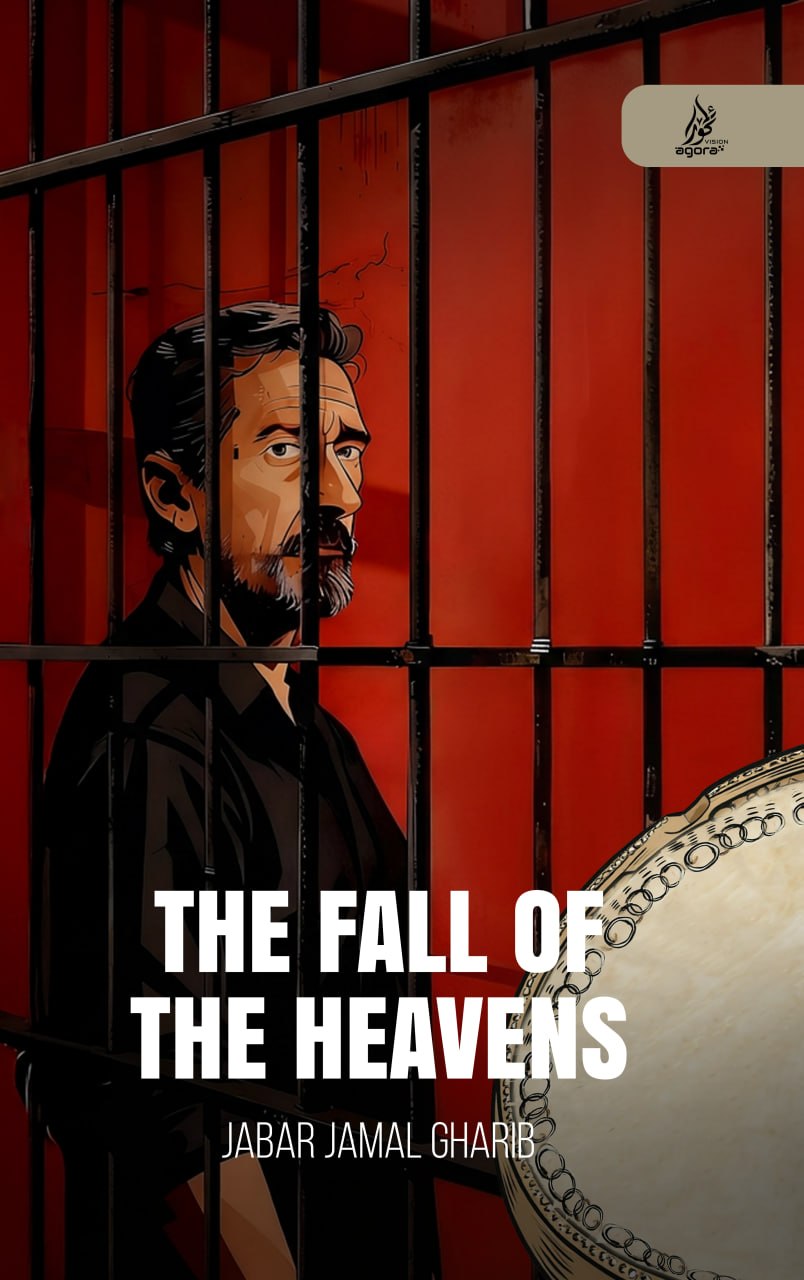
The Fall of the Heavens
Set against decades of Kurdish suffering under Saddam Hussein's Iraq, "The Fall of the Heavens" follows five interconnected lives shaped by war, extremism, and forbidden love.
Jabar Jamal Gharib writes from within a culture of deep religious devotion and patriarchal tradition, creating a novel thick with mysticism, graphic realism, and metaphors that reflect a different literary sensibility. The result is challenging: perspectives on women, purity, and desire that will unsettle many readers; explicit scenes of violence and sexuality rendered without sentiment; prose that bears the marks of translation from Kurdish. But that is the point.
"The Fall of the Heavens" refuses to translate itself into comfortable forms. It insists you meet it on its own terms-and in doing so, offers a window into experiences of trauma, faith, and survival found in the heart of Kurdish literature.
For readers seeking global literature that genuinely comes from elsewhere—intellectually, culturally, spiritually—this is a vital, if demanding, work.